Discover the Essential Guide to Art Book Printing for Aspiring Artists and Publishers
As an aspiring musician or author, understanding the subtleties of art book printing is necessary to bringing your vision to life. You'll need to think about various variables, from choosing the right kind of book to making sure color precision and picking appropriate materials. Each decision impacts the end product considerably. So, what are the crucial elements you should concentrate on to create a spectacular art book that truly represents your job?
Comprehending Different Sorts Of Art Books
When you dive right into the world of art publications, you'll rapidly find that they can be found in different kinds, each customized to various artistic expressions and audiences. Coffee table publications often showcase sensational visuals, ideal for informal surfing, while monographs dive deep right into a specific artist's work, offering context and insights. If you have an interest in details art motions, event directories provide in-depth paperwork of shows, featuring essays and critiques.
For educational functions, art guidebooks and strategy publications assist you through various tools and styles, making them vital for aspiring artists. Lastly, restricted version or artist publications obscure the lines in between art and literature, commonly integrating unique layout components or hand-made functions. Comprehending these types helps you establish what resonates with you and what may ideal fit your audience. Each style serves its objective, and recognizing their distinctions can enhance your art book trip.
Picking the Right Paper and Materials
Selecting the right paper and materials can greatly impact the overall quality and feeling of your art book. Start by thinking about the sort of artwork you have. For lively shades and intricate details, go with a glossy surface or a heavyweight matte paper that boosts visual depth. If your job includes softer tones or structures, an all-natural or uncoated paper can offer a cozy, inviting touch.
Think of the weight of the paper, as well. Thicker choices commonly offer an even more professional appearance, while lighter papers can reduce printing costs. Do not fail to remember about the binding products; a sturdy cover can protect your pages and include to the book's aesthetic.
Finally, think about sustainability. Eco-friendly choices are getting popularity and can show your worths as an artist. By carefully picking your paper and materials, you'll assure that your art book not only looks great but additionally really feels special in the hands of your viewers.
Choosing the most effective Printing Strategies
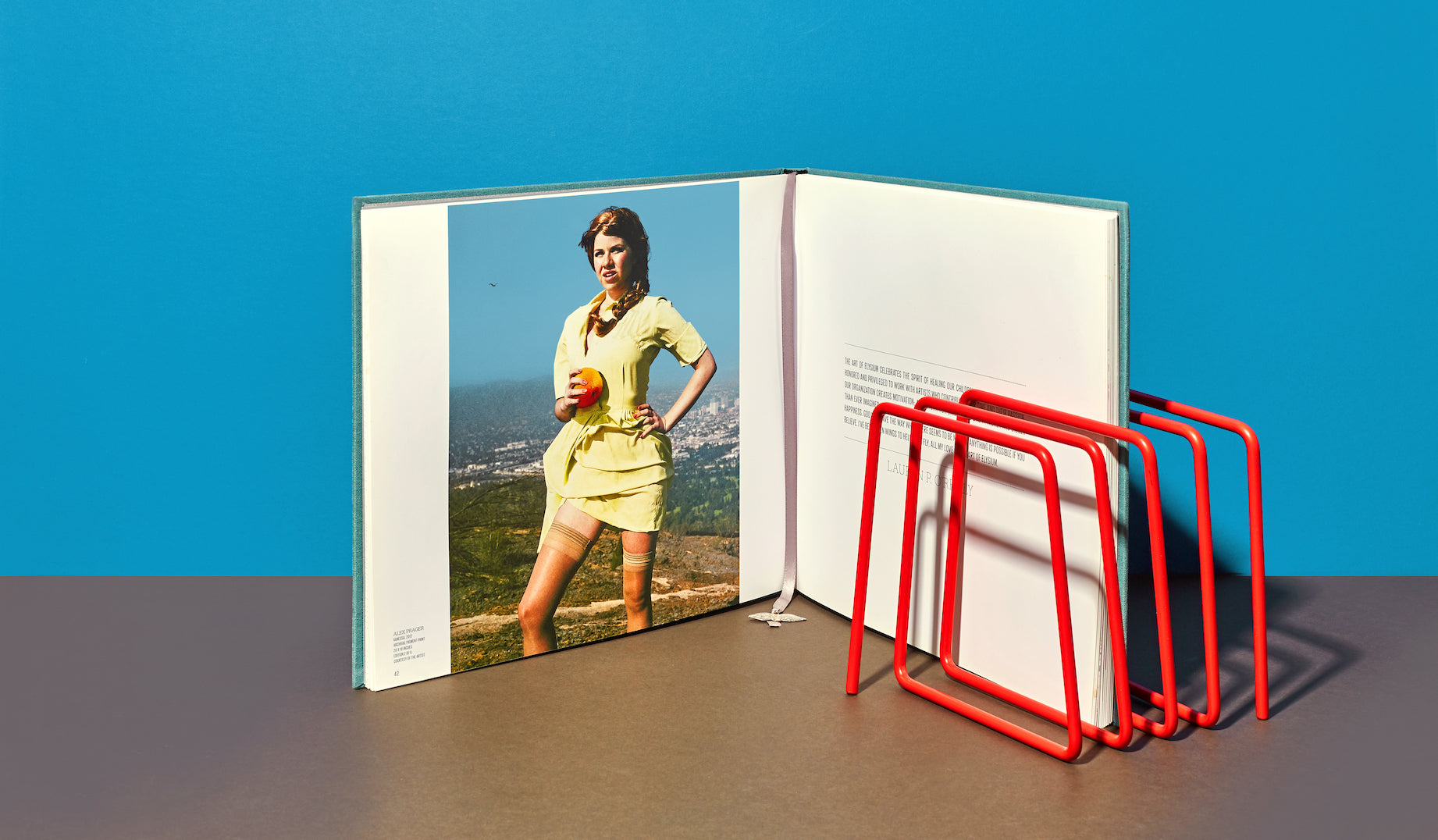
When it involves printing your art book, choosing in between offset and digital printing can significantly influence your last item. You'll likewise intend to take right into account just how paper quality influences the overall appearance and feeling of your artwork. Let's explore these essential printing techniques to discover the best suitable for your project.
Offset vs. Digital Printing
While both balanced out and digital printing have their advantages, choosing the appropriate strategy for your art book can substantially impact the last item. Balanced out printing provides high-quality photos and vivid shades, making it perfect for larger print runs. If you're aiming to create hundreds or hundreds of duplicates, offset will certainly offer you consistent outcomes and reduced per-unit expenses. On the other hand, electronic printing stands out for smaller sized quantities and quicker turnaround times. It enables for very easy modification, allowing you to publish unique copies without additional configuration expenses. Consider your budget, timeline, and the quantity of your project. Inevitably, your choice needs to straighten with your imaginative vision and circulation technique, making sure that your art book mirrors the top quality you prefer.
Paper Top Quality Factors To Consider
Selecting the best paper quality can greatly boost the aesthetic allure and tactile experience of your art book. Start by thinking about the weight and texture of the paper. Heavier paper often feels even more glamorous and can better display vibrant shades and intricate details. For prints, a glossy surface can make pictures pop, while a matte surface supplies a softer, extra subtle look. Do not fail to remember regarding the paper's brightness; brighter sheets can enhance color accuracy and comparison.
Next, think concerning the sustainability of your selection. Green choices are coming to be increasingly prominent and can appeal to environmentally-conscious readers. Demand samples to see how various documents work with your art work, ensuring the last item shows visit homepage your vision flawlessly.
Making Sure Color Accuracy in Your Prints
To achieve magnificent prints, you need to concentrate on color precision from the begin. You'll intend to utilize shade calibration strategies to validate your display and printer remain in sync. Additionally, proofing your work before the last print run can assist capture any type of inconsistencies, guaranteeing your art looks equally as you imagined.
Shade Calibration Strategies
Ensuring shade precision in your prints starts with effective shade calibration methods that help maintain uniformity in between your electronic images and last printed products. Calibrate your display making use of hardware calibration devices to accomplish the finest shade representation. This confirms that what you see on-screen matches what gets printed. Next off, select a shade account fit for your printing process, like CMYK for print materials. Frequently examine your printer's setups and keep it to avoid color shifts. It's additionally necessary to make use of top quality paper that enhances your inks, as different surfaces can significantly affect shade result. By consistently using these strategies, you'll improve the overall high quality of your art prints and far better convey your imaginative vision.
Proofing for Accuracy
While you could believe your digital pictures are ready for print, proofing is necessary for attaining shade accuracy. Prior to dedicating to a full print run, always ask for an evidence from your printer.
If adjustments are required, connect clearly with your printer regarding your wanted results. Don't hesitate to request numerous proofs if essential; it's worth the investment to obtain it right. Inevitably, thorough proofing warranties that your art work is represented as you visualized it, maintaining your creative stability throughout the printing process.
Designing Layouts That Enhance Your Artwork
When you create layouts for your art book, it's important to ponder how each element interacts with your art work. Aim for a balance between visuals and message, ensuring neither outweighes the various other. Use white room tactically; it offers your artwork space to take a breath and attracts attention to its information.
Think about the flow of your book. Organize images in a manner that overviews the reader's eye, creating a story or thematic development. art book. Vary the sizes and orientations of your artwork to keep the format vibrant and intriguing
Select fonts that match your art work without distracting from it. Maintain text succinct and relevant, offering context or insight that enhances the audience's experience.
Finally, test various layouts. Print samples to see how the layouts translate on paper, and anchor change as needed. By attentively developing your layouts, you'll develop a visually engaging art book that resonates with your target market.
Binding Choices for a Specialist Complete
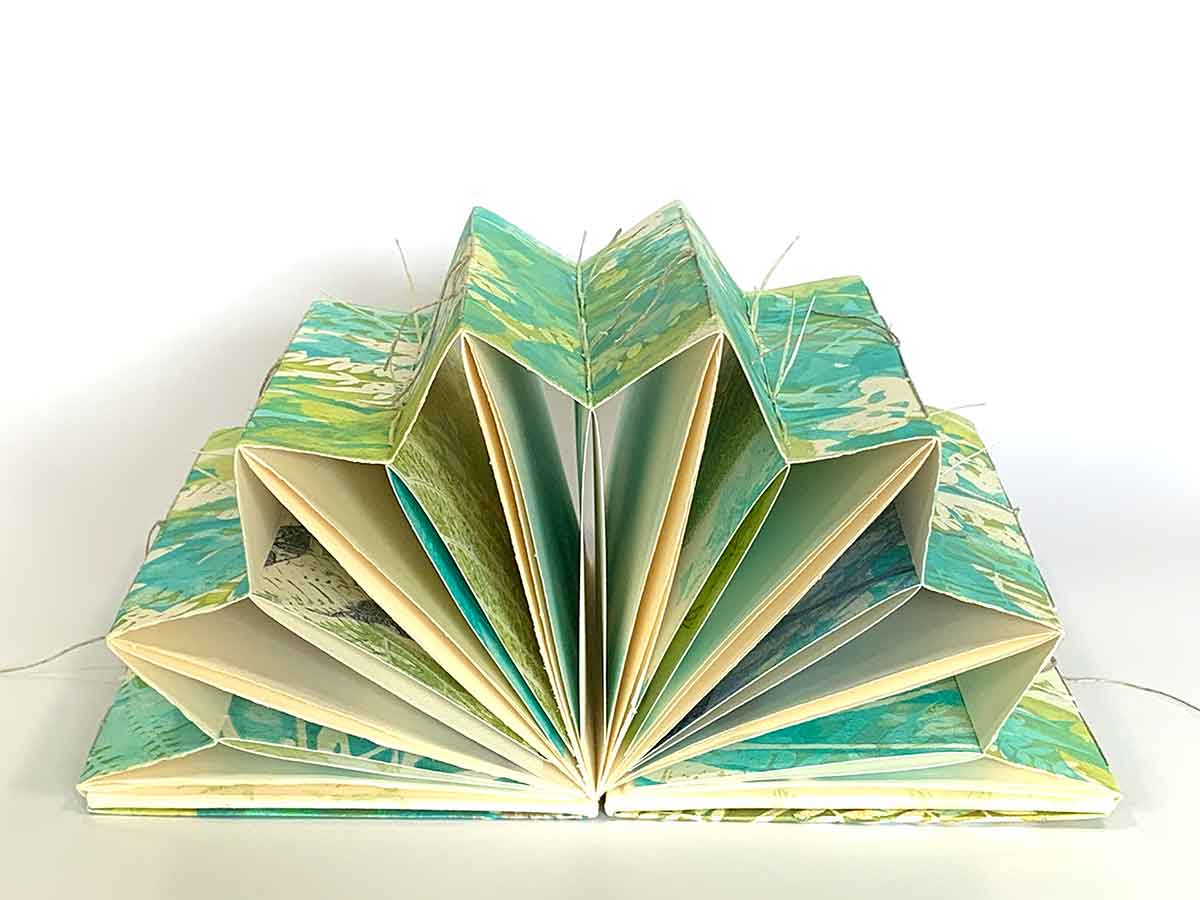
Picking the right binding choice can greatly affect the overall presentation of your art book. You'll wish to take into consideration both aesthetics and sturdiness when making your option. Popular choices consist of best binding, which offers a streamlined appearance and is perfect for thicker publications; saddle stitching, ideal for smaller booklets; and spiral binding, which enables web pages to lay level for easy watching.
If you're going for a costs feeling, instance binding is a superb selection, giving a durable cover and a professional appearance (art book). Do not neglect concerning the cover material; choices like cloth, see here now natural leather, or a glossy coating can boost your book's charm
Whatever choice you select, make certain it enhances your art work and enhances the reader's experience. Take your time to consider the pros and disadvantages of each method, so your end product reflects the quality of your innovative vision.
Preparing Your Data for Publish Preparedness
To guarantee your art book is print-ready, you'll require to pay close attention to file prep work. Start by establishing your paper dimension to match your preferred print dimensions. Usage high-resolution images-- 300 DPI is the criterion-- to establish sharp, dynamic visuals. Convert your documents to CMYK mode, as this shade room is finest for printing. Do not fail to remember to consist of hemorrhage areas, generally an additional 0.125 inches around your pages, to stop any white edges after cutting.
Consider creating an evidence to evaluate before the last print run. Complying with these steps will certainly assist you achieve a sleek, expert art book.
Frequently Asked Inquiries
What Is the Typical Cost of Publishing an Art Book?
The standard cost of publishing an art book varies, yet you can expect to pay anywhere from $5 to $20 per copy, relying on elements like dimension, paper high quality, and printing volume.
Just How Can I Find a Reliable Printing Firm?
To discover a trustworthy printing company, beginning by investigating online reviews and asking other artists for suggestions. Contrast quotes, check portfolios, and connect your requirements clearly to ensure they understand your vision and high quality expectations.
What Is the Normal Turn-around Time for Printing?
The regular turn-around time for printing differs however generally ranges from one to 4 weeks. Factors like task complexity and quantity can influence this. Always validate with your chosen printer for particular timelines and assumptions.
Can I Publish My Art Book in Limited Quantities?
Yes, you can definitely print your art book in minimal amounts. Lots of printing firms provide short-run options, allowing you to generate simply the number you require, making it easier to manage costs and supply.
What Legal Factors To Consider Should I Know for My Art Book?
You should think about copyright, licensing agreements, and version releases when creating your art book. Make sure you deserve to make use of all pictures and text, shielding yourself from prospective legal issues later on.